The Balen Phenomenon: More Than Just a Mayor
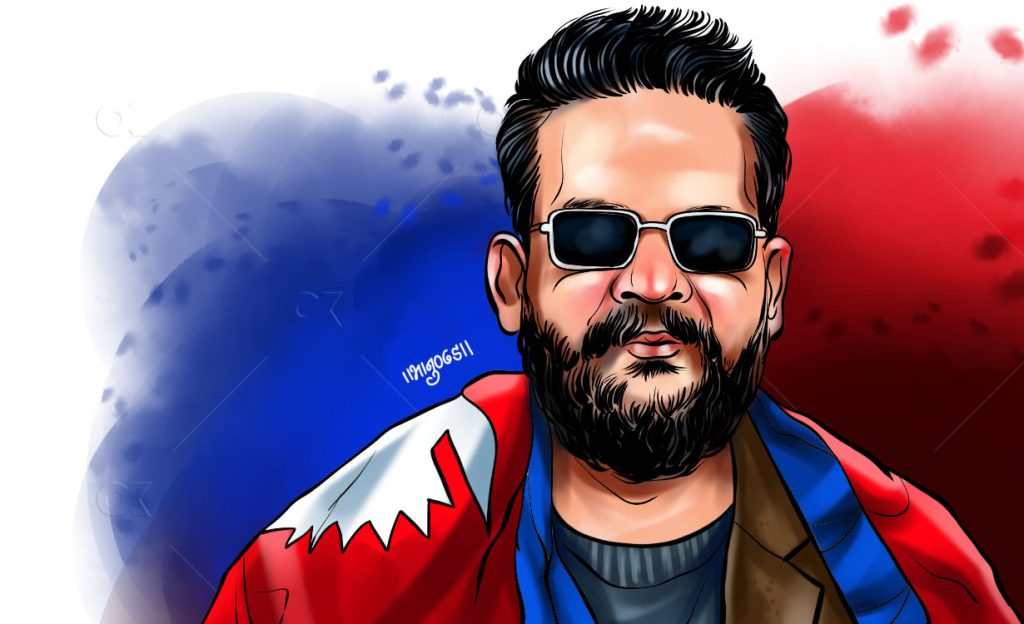
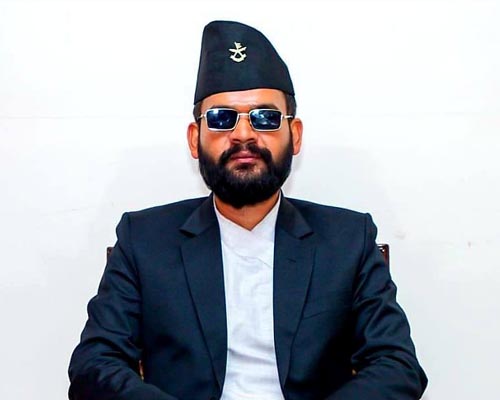
In the landscape of Nepali politics, few names command as much digital and physical real estate as Balen Shah. Once known as a structural engineer and a rapper, his 2022 victory as an independent candidate for the Mayor of Kathmandu wasn’t just a win—it was a systemic shock.
But as we move through 2026, the conversation has shifted. It’s no longer just about sidewalk management or waste disposal in the capital. The discourse has moved to a national stage: Is Balen Shah the next Prime Minister of Nepal?
1. The Strategic Shift: Maithili Speeches and Sudurpaschim Tours
Lately, Balen’s political movements have been anything but "local." His recent outreach—addressing crowds in Maithili and touring the Sudurpaschim province—signals a calculated national expansion.
Breaking the "Urban" Label: By speaking Maithili, Balen is directly courting the Madhesh voter base, attempting to shed the image of a "Kathmandu-only" leader.
National Magnetism: His Sudurpaschim visit proved that his brand of "Fearless Governance" resonates in the farthest corners of Nepal, not just in the tech-savvy corridors of the capital.
2. The RSP Connection: Senior Leadership or Strategic Ally?
There is growing speculation regarding Balen’s role as a Senior Leader within the Rastriya Swatantra Party (RSP). While he maintains his independent identity, the ideological synergy is undeniable.
The Power Couple of Politics: RSP has the organizational machinery; Balen has the raw, "action-oriented" charisma.
The PM Narrative: For a new party like RSP, having a "PM Face" like Balen could be the definitive edge they need to challenge the hegemony of the NC, UML, and Maoists.
3. Strengths: Why the Public is Hooked
The "Rule of Law" Brand: Unlike traditional leaders who navigate through compromises, Balen’s image is built on strict (and sometimes controversial) enforcement.
Direct Communication: He has bypassed traditional media, using social platforms to speak directly to the youth, creating an unfiltered bond with his constituency.
Evidence of Delivery: From digitalizing municipal services to reclaiming public land, he has "tangible receipts" of his work.
4. The Challenges: Can He Handle the "Big Chair"?
The leap from a municipal office to Singha Durbar is a chasm filled with geopolitical and economic complexities.
Policy Depth: While "demolition drives" work at a city level, being PM requires nuanced stances on Foreign Policy (balancing India and China), Macroeconomics, and Federalism.
Coalition Dynamics: Nepal’s parliamentary system rarely yields a single-party majority. Can a leader known for a "My way or the highway" approach survive the compromise-heavy world of coalition politics?
The Burden of Expectation: Balen is currently a symbol of "Hope." In politics, hope can turn into vitriol very quickly if results aren't instantaneous.
5. The "February 2026" Political Landscape
With the political atmosphere shifting as we head deeper into 2026, several scenarios emerge:
Scenario A: Balen joins forces with RSP and other "New Forces" to create a formidable Third Front.
Scenario B: He remains an independent "kingmaker," using his influence to dictate policy without formally joining a cabinet.
Scenario C: The established parties co-opt his rhetoric to neutralize his momentum.
Final Verdict: Is He the Future?
Balen Shah is no longer a political accident; he is a political evolution. Whether he becomes Prime Minister depends less on his popularity and more on his ability to build a national team and a coherent economic roadmap.
He has successfully proven he can "break" a dysfunctional system. Now, he must prove he can "build" a national one.
Frequently Asked Questions (FAQs)
Q: Is Balen Shah officially a member of RSP? A: While there is high-level coordination and shared political goals, Balen officially operates as an Independent Mayor. However, his strategic alignment with RSP's senior ranks is a focal point of current political analysis.
Q: Can an independent become Prime Minister in Nepal? A: Constitutionally, the Prime Minister must be a Member of Parliament who commands a majority. To become PM, Balen would need to win a seat in the General Election and secure the support of a majority of lawmakers.
Q: What is his biggest political risk? A: Over-reliance on "personality-driven" politics. Sustainable national change requires institutional backing, not just a charismatic leader.
What do you think? Is Balen's "Action-First" style what Nepal needs at the national level? Let us know in the comments below.